Scientists alarmed as Rubin Observatory changes biography of astronomer Vera Rubin amid Trump's push to end DEI effortsAstronomers are expressing disappointment and alarm as the federally-funded Rubin Observatory altered the biography of renowned astronomer Vera Rubin, for whom the facility is named, on its website. The amended version curtails her legacy of championing women in science and removes all mentions of the observatory's efforts to reduce barriers for women and other historically underrepresented groups in the field.
"No executive order, no political edict is going to undermine or end our efforts to make the scientific workforce look more like our people," astronomer John Barentine told Space.com. "If anything, it is giving us more encouragement to continue to do this work, because it is the morally, philosophically and politically right thing to do."
0 Comments
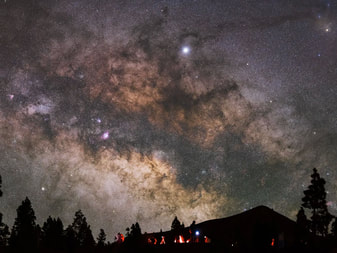
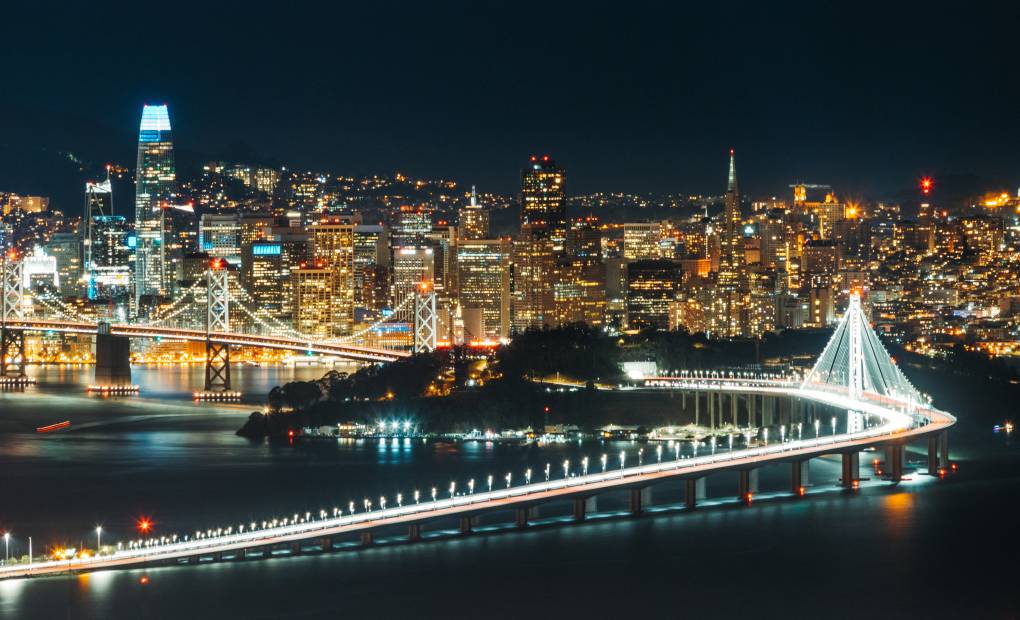
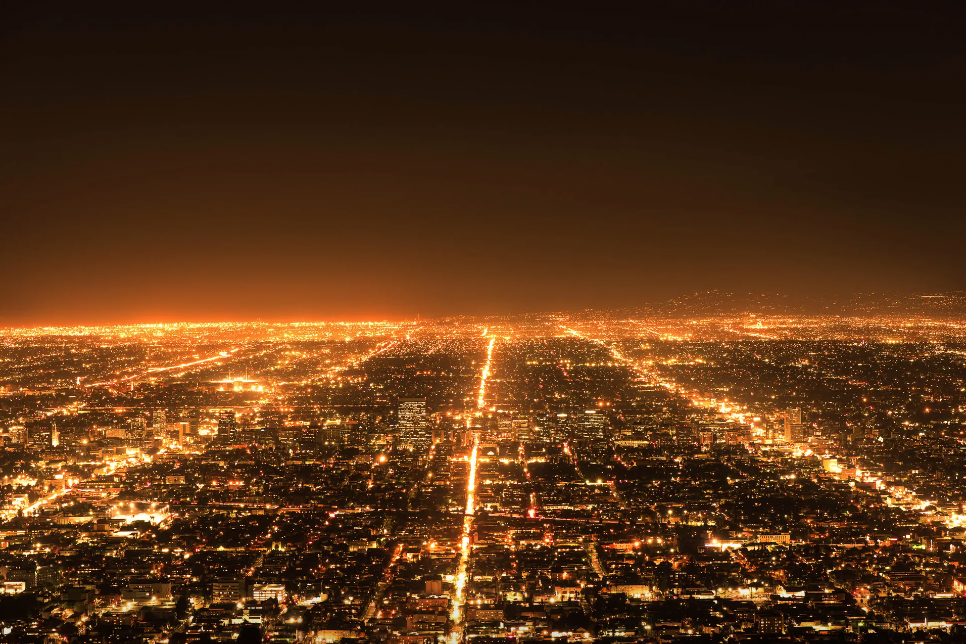
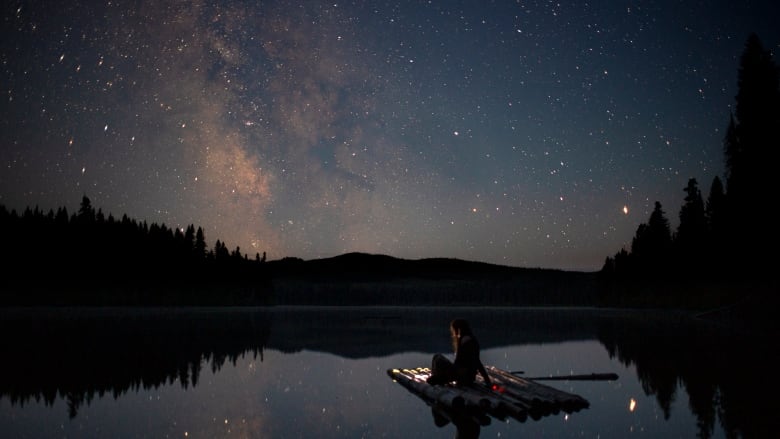
Space Industry Adds Threats to Astronomy, Light Pollution Remains a Big ProblemOverall, diffuse brightening of the sky remains a more difficult problem to address than launches, satellites, or even space billboards. Our night sky has been growing rapidly brighter, at a rate as high as 10% per year, even affecting major observatories.
“I think it is fair to say that right now the bigger concern for ground-based astronomy is certainly light pollution, by far,” said John Barentine (Dark Sky Consulting), also speaking at the AAS meeting. “Artificial light at night emissions have been rising around the world at a fairly alarming rate.” Laser Billboards in the Sky? Space Advertising Is Here And Astronomers Want It Stopped Before It StartsIt sounds like something from the Blade Runner franchise, but space advertising could present a real challenge, and at the 245th Meeting of the American Astronomical Society earlier this month, the organisation called for this to be nipped in the bud. This kind of advertising is banned in the United States but companies are using workarounds, and in other countries, there is still a big problem coming if space advertising is not controlled. John Barentine of Dark Sky Consulting, a member of AAS’s Committee for the Protection of Astronomy and the Space Environment (COMPASSE), warned about the potential issues of advertising payloads: “The lure of it is so great that I can’t imagine that no one will try,” he said. “I think the commercial value will prompt somebody to do it.” Astronomers seek global ban on space advertisingObtrusive space advertising is defined in U.S. federal law as “advertising in outer space that is capable of being recognized by a human being on the surface of the Earth without the aid of a telescope or other technological device.” Such advertising is banned in federal law through prohibitions on granting launch licenses for missions carrying payloads to carry out space advertising.
While that federal ban has been in place for decades, John Barentine of Dark Sky Consulting, a member of AAS’s Committee for the Protection of Astronomy and the Space Environment (COMPASSE), said at the briefing there is growing concern that companies in other nations would launch obtrusive space advertising payloads. “The lure of it is so great that I can’t imagine that no one will try,” he said. “I think the commercial value will prompt somebody to do it.” The Night Sky Is In Danger And Astronomers Are Stepping Up To Protect It“A problem for us with light pollution on the ground is the ongoing world transition to LED technology, which has made light at night very inexpensive to consume,” Dr John Barentine, the Executive Officer and Principal Consultant at Dark Sky Consulting, told IFLScience. “In the last decade, the brightness of the night sky has been rising around the world on the order of about 10 percent per year on average.”
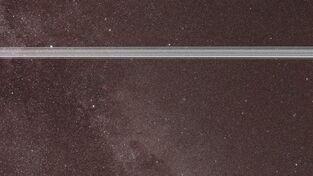
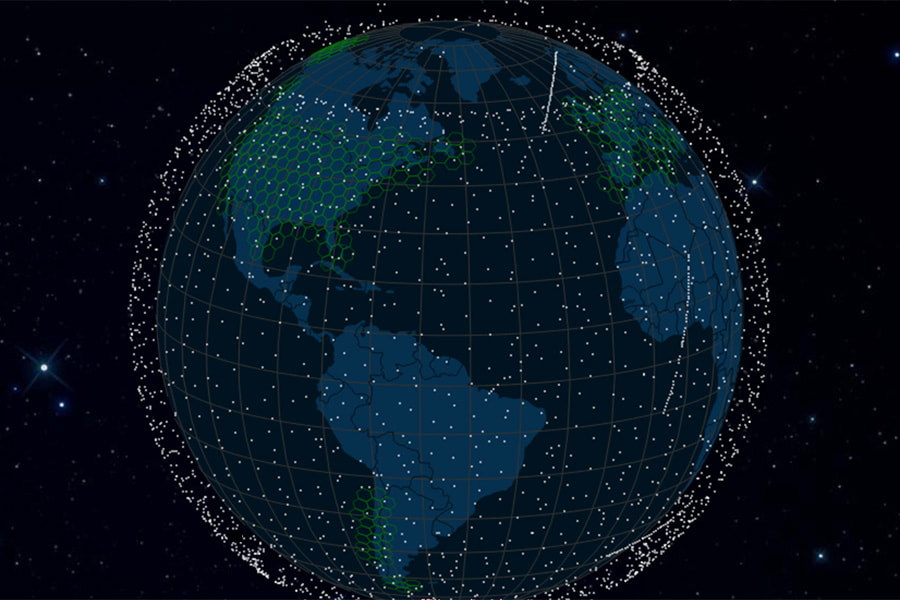
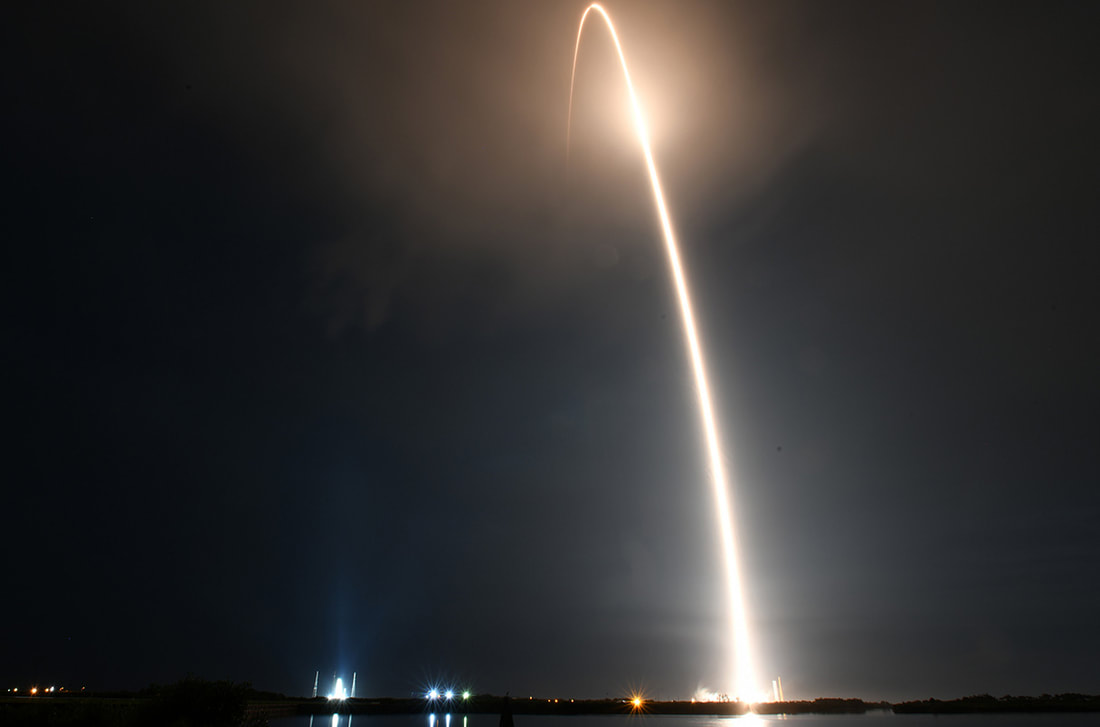
“We don't want to roll back any progress,” Dr Barentine explained. “The satellite operators have a right to be in space, just as we have a right to access space for astronomy purposes. So we're actively working with them to try to find a solution that is as much of an agreement on the basics as we can reach to where they're able to conduct their activities without causing undue interference to what we're doing.” SpaceX's new direct-to-cell Starlink satellites are way brighter than the originalsWhile DTCs are brighter objects, they move at a faster apparent rate and spend more time in Earth's shadow than regular Starlinks, which would offset some of their negative impact on astronomy observations, the study noted.
"I see it as a tradeoff in parameters rather than an absolute better/worse kind of situation," John Barentine, a principal consultant at Arizona-based Dark Sky Consulting who was not involved with the new study, told Space.com. Cleaning up the cosmosExperts have proposed various methods to dispose of existing orbital debris, such as using nets to capture junk, or harpoons and other satellites to help de-orbit dead satellites, but nothing has been implemented on the scale that would be needed were Kessler Syndrome to become a reality. “Nobody really that I’ve seen has any plans for what to do if that scenario develops, in terms of rapidly getting that debris out of orbit,” says John Barentine, principal consultant at Dark Sky Consulting. “It’s scary stuff but it’s not science fiction.”
The fight against light pollutionWith me was a small group of dark-sky activists, including John Barentine, a Tucson-based astronomer and consultant on dark-sky issues. From our vantage point, it was obvious which gas station was the larger emitter of light pollution. But, Barentine explained, both buildings met Tucson’s lighting code. I nodded, feeling depressed about the state of artificial light at night, or ALAN.
In the fight against light pollution, “constituents make a difference,” says Barentine. “What we’re missing is political will. We can reverse light pollution tomorrow. Nobody suffers when we decrease light pollution.” Explore The Night Sky With The 6 Best Binoculars For Stargazing"I've been using the same pair of Tasco 10x50's for almost 30 years," says Barentine, principal consultant at Dark Sky Consulting, a firm that helps destinations earn International Dark Sky status. "A good pair that will last for decades can be had for under $100. It's not something that people should feel like they have to spend a lot of money on."
|
MediaAvailable for radio/TV/print interviews and appearances relating to astronomy, light pollution, dark skies and more. Contact me! Archives
March 2026
Categories
All
|
RSS Feed