John C. Barentine's Personal Website
  • Home
  • Bio
  • CV
  • Media
  • Outreach
  • Photos
    • South Africa 2024
    • Austria 2024
    • Germany 2019
    • Hungary 2019
    • Taiwan 2018
    • New Zealand 2018
    • UK 2017
    • Wyoming Eclipse 2017
    • Catalonia 2017
    • Romania 2016
    • Japan 2016
    • Korea 2014
  • Astronomy
    • Carbon Star List
    • The Bluest Hipparchos Stars
    • Astronomical Visibility
    • Lunar Domes
    • Beyond The Lunar 100
    • Astrophotography
  • Research
    • Earthshine
    • Skyglow
    • Satellite Megaconstellations
    • Night Sky Photometers
    • SN 1006 Petroglyph
  • Papers
  • Books
    • Ashen Light of Venus
    • The Lost Constellations
    • Uncharted Constellations
  • Contact

Media Appearances

La Repubblica (2 April 2021)

4/24/2021

0 Comments


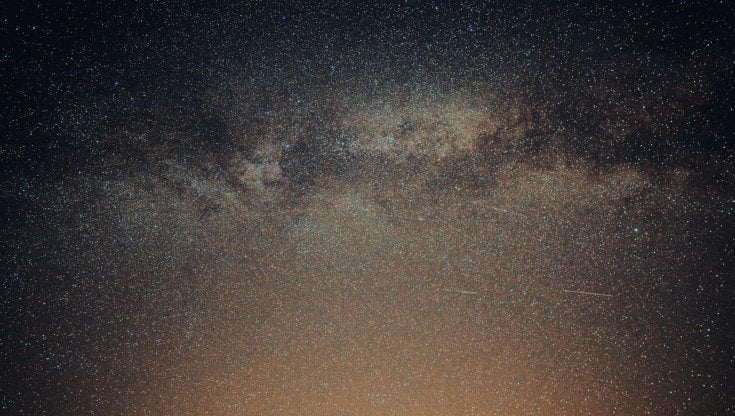
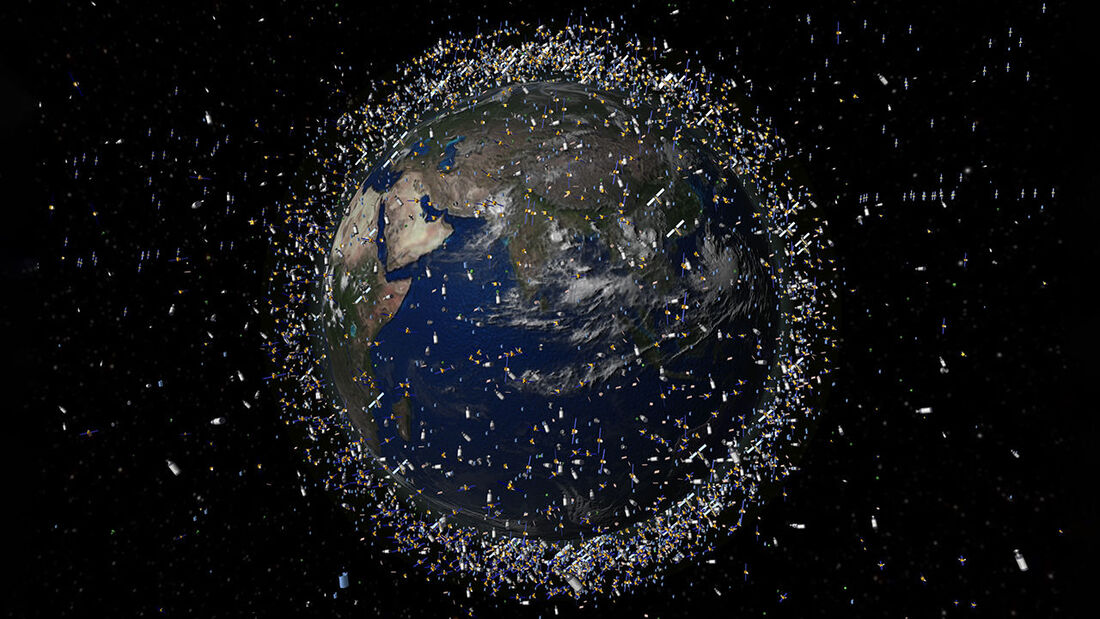
Nights less and less dark: the fault of satellites and space debris

Picture
"Unlike light pollution on the ground, this type of artificial light in the night sky can be seen over much of the earth's surface," clarified John Barentine of the International Dark-Sky Association, explaining how difficult it is to escape from this type of light pollution. : “Astronomers build observatories far from cities to look for dark skies, but this form of light pollution has a much wider geographical scope.” And it could be a problem not just for astronomers, experts say.
Read more: ​​https://www.repubblica.it/green-and-blue/2021/04/02/news/notti_sempre_meno_buie_colpa_di_satelliti_e_detriti_spaziali-294762788/
0 Comments

Yahoo! Japan (6 April 2021)

4/24/2021

0 Comments


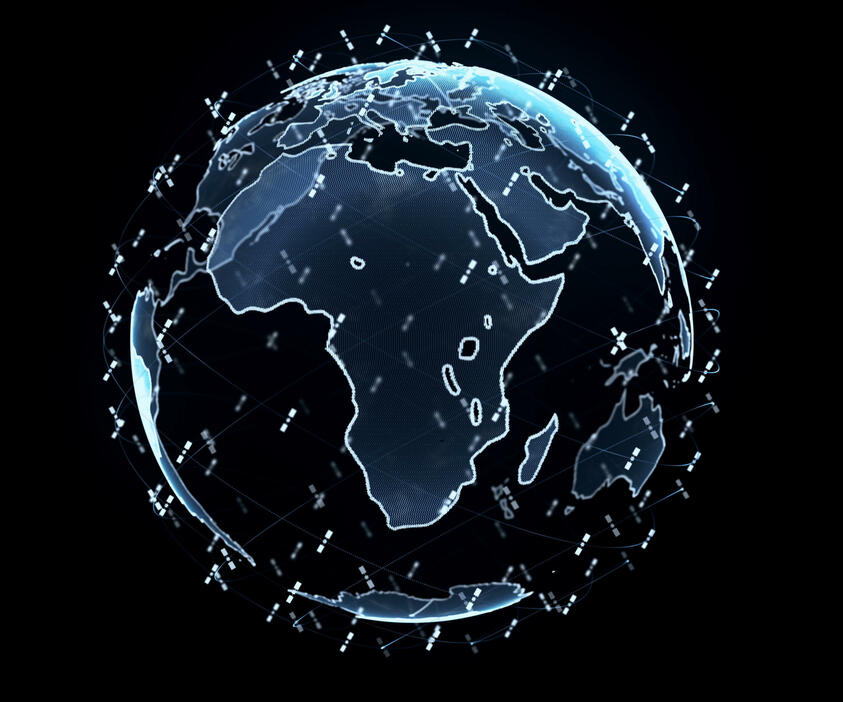
The ever-increasing number of man-made objects around the earth may brighten the night sky by more than 10%

Picture
John Barentine, a public policy director of the International Dark-Sky Association working on light pollution , said, "Astronomers have built observatories far from the city in search of a dark sky. "The light pollution from satellites is widespread," said Barentine. "Many people may lose their untouched night sky."
Read more: https://news.yahoo.co.jp/articles/c8ac7a630ad37e7fa5a0c3a8c304f8457b5e69bb
0 Comments

NBC News (1 April 2021)

4/24/2021

0 Comments


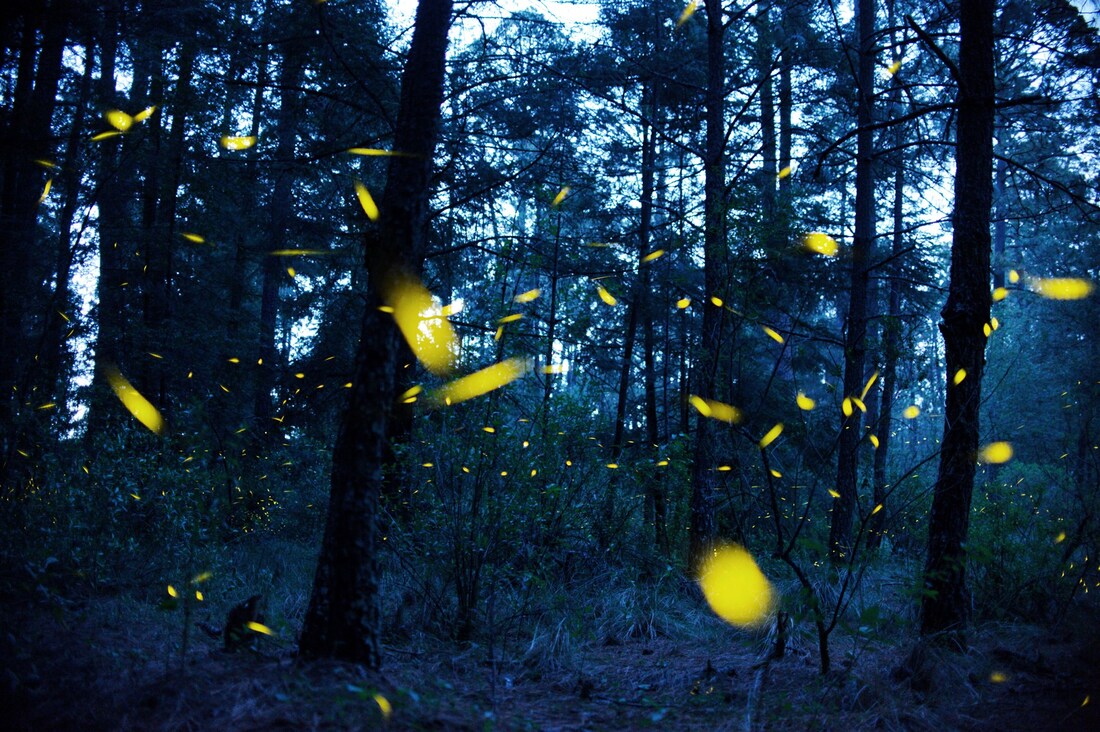
Fireflies don't respond well to light pollution. They're not alone.

Picture
The new insect studies and others highlight some of the harmful side-effects on wildlife of human-made light pollution, said John Barentine, a spokesman for the International Dark-Sky Association, based in Tucson, Arizona. 

“Wherever researchers have looked at the effects of light at night on individual species, in almost every situation it is usually negative," he said.

Read more: https://www.nbcnews.com/science/environment/fireflies-dont-respond-well-light-pollution-not-alone-rcna569
0 Comments

Universe Today (3 April 2021)

4/24/2021

0 Comments


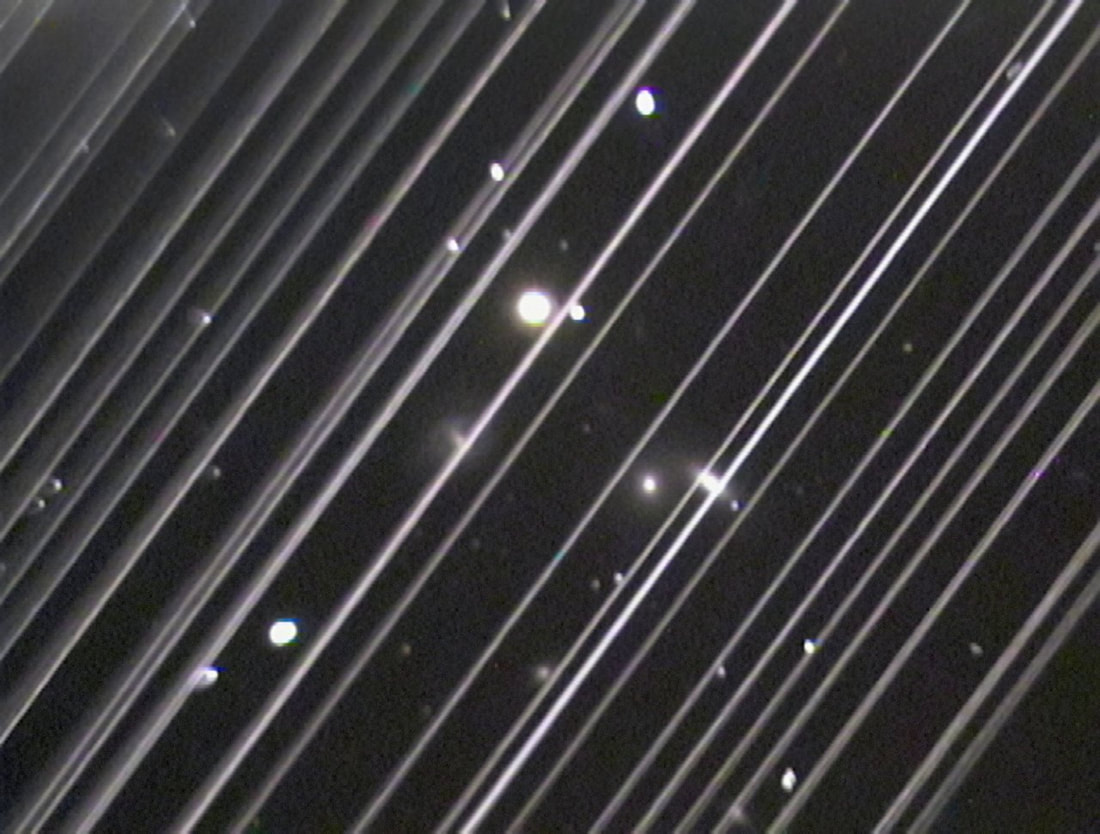
Satellites Have Bri​ghtened the Skies by About 10% Across the Entire Planet

Picture
“Unlike ground-based light pollution, this kind of artificial light in the night sky can be seen across a large part of the Earth’s surface,” explained John Barentine, Director of Public Policy for the International Dark-Sky Association and a study co-author. “Astronomers build observatories far from city lights to seek dark skies, but this form of light pollution has a much larger geographical reach.”
Read more: ​https://www.universetoday.com/150759/satellites-have-brightened-the-skies-by-about-10-across-the-entire-planet/
0 Comments

BBC Two Newsnight appearance (31 March 2021)

4/3/2021

1 Comment

 
See the full program on: https://www.bbc.co.uk/programmes/m000tq94
1 Comment

Science Magazine (28 March 2021)

4/3/2021

0 Comments


Study finds nowhere on Earth is safe from satellite light pollution

Picture
“It’s a bit of an eye opener,” says John Barentine, director of public policy at the International Dark-Sky Association, who helped author the study, accepted today in the Monthly Notices of the Royal Astronomical Society: Letters and posted online. “As space gets more crowded, the magnitude of this effect will only be more, not less.”
Read more: https://www.sciencemag.org/news/2021/03/study-finds-nowhere-earth-safe-satellite-light-pollution
0 Comments

Condé Nast Traveler (11 March 2021)

4/3/2021

0 Comments


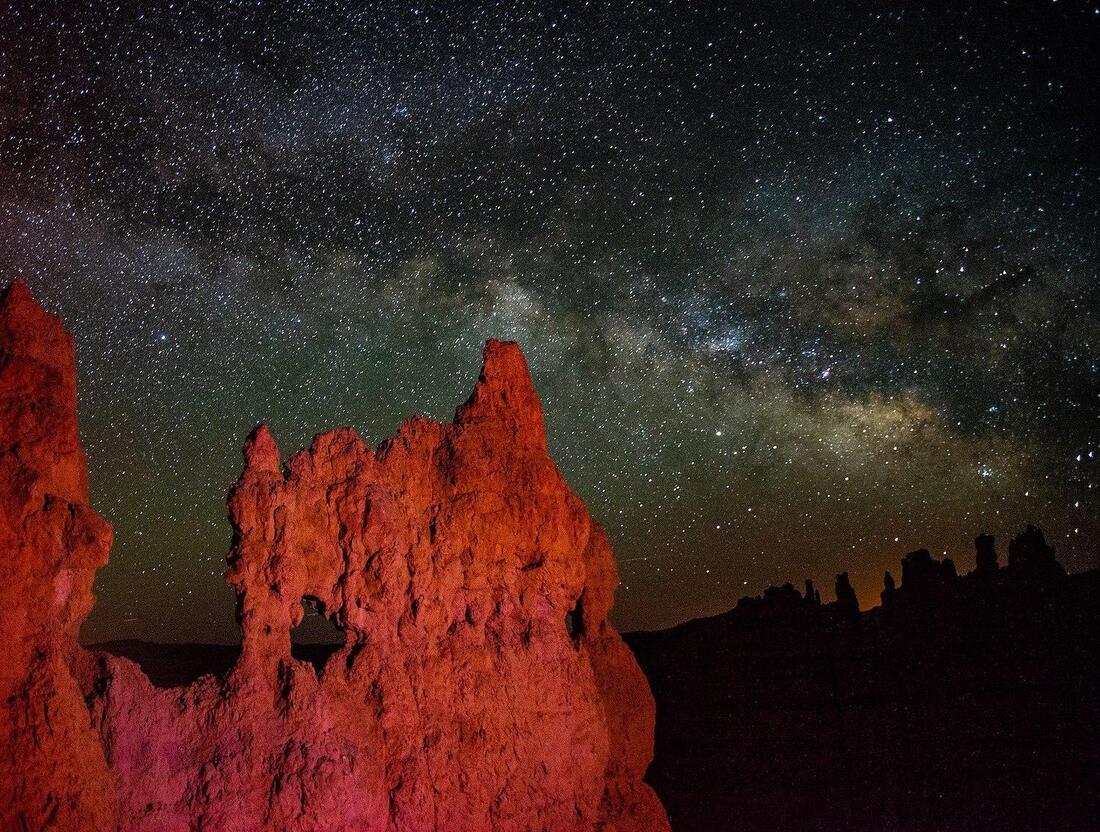
State-Protected Dark Skies Could Change Astrotourism Forever

Picture
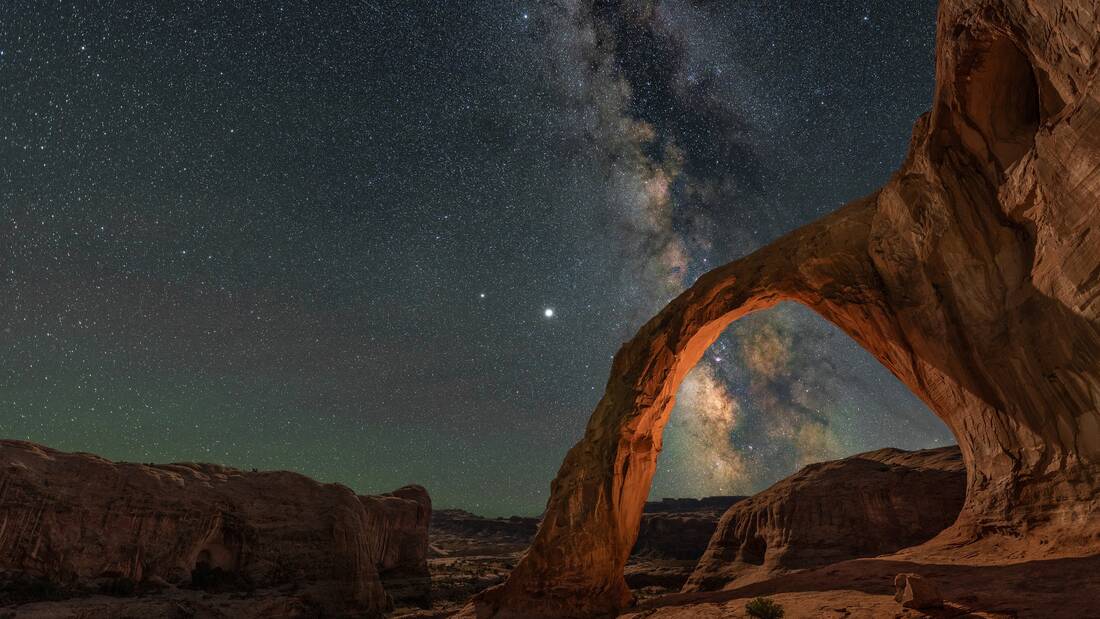
“In some places, it's just dawning on people that if they go outside and look at the night sky, the stars are missing,” says John Barentine, director of public policy at IDA. “They're discovering the phenomenon of light pollution, maybe for the first time.”

Night-sky tourism, which typically necessitates one or more overnight stays, can increase travel spending. Dark sky advocates are just hopeful that new hospitality developments don’t further contribute to light pollution, says Barentine.

Read more: https://www.cntraveler.com/story/stargazing-tourism-is-the-next-big-thing-for-these-states
0 Comments

Travel + Leisure (17 January 2021)

4/3/2021

0 Comments


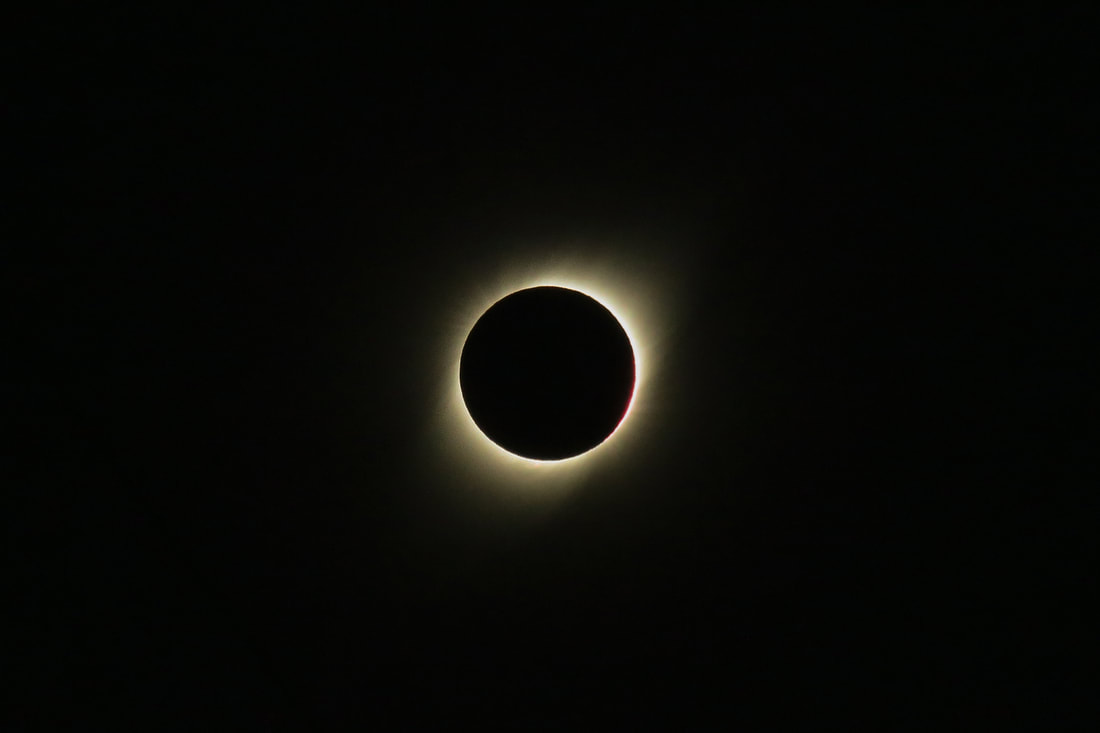
How to See the 2021 Total Solar Eclipse in Antarctica

Picture
A total solar eclipse, the rare and fleeting moment when the moon covers the full face of the sun, allures millions of tourists with its awe and splendor. "The sky is mostly dark overhead, like on a night with moonlight, but the warm tones of sunset are visible in a ring extending 360 degrees around the horizon," says John Barentine, director of public policy for the International Dark-Sky Association. "The air temperature noticeably cools. Birds go into trees to roost and get quiet. Bright stars and planets are visible in the sky overhead. This is why people will spend thousands of dollars and travel thousands of miles to witness something that only lasts for a few minutes."
Read more: https://www.travelandleisure.com/trip-ideas/space-astronomy/how-to-see-2021-total-solar-eclipse-antarctica
0 Comments

National Parks Traveler (2 January 2021)

4/3/2021

0 Comments


Losing Darkness And Natural Sound

Picture
IDA has seen a vast increase in the number of parks seeking dark-sky status over the past decade, says Dr. John Barentine, IDA’s director of conservation. “Our certification program grew significantly during that time,” he says. “By the end of the decade I would say that a lot of people working in the conservation space, whether it be NPS, state parks, or private, are coming to see the preservation of dark skies in protected areas as a best practice.”
Read more: ​https://www.nationalparkstraveler.org/2021/01/2nd-annual-threatened-and-endangered-parks-natural-darkness-and-sounds
0 Comments

Men's Journal (2 November 2020)

4/3/2021

0 Comments


Why a Dark Sky Area Should Be Your Next Road Trip Destination

Picture
“People have become so casual about using a lot of light at night, and in most big cities, the night sky is lost and has been for decades,” says John Barentine, Ph.D., director of public policy at the International Dark Sky Association. “But in places like Westcliffe, they want to keep what they have, and we want to show that it is possible to do that—or to even reverse the trend—through simple acts.”
Read more: https://www.mensjournal.com/travel/why-a-dark-sky-area-should-be-your-next-road-trip-destination/
0 Comments
<<Previous

    Media

    Available for radio/TV/print interviews and appearances relating to astronomy, light pollution, dark skies and more. Contact me!

    Archives

    May 2025
    April 2025
    January 2025
    September 2024
    July 2024
    January 2024
    October 2023
    June 2023
    April 2023
    February 2023
    November 2022
    July 2022
    April 2022
    December 2021
    November 2021
    July 2021
    June 2021
    May 2021
    April 2021
    May 2020
    February 2020
    January 2019
    September 2018
    July 2018
    June 2018
    January 2018
    December 2017
    October 2017
    September 2017
    August 2017
    July 2017
    March 2017
    February 2017
    January 2017
    December 2016
    October 2016
    September 2016
    August 2016
    July 2016
    June 2016
    May 2016
    April 2016

    Categories

    All
    Amateur Astronomy
    Arizona
    Astronomy
    Border Lighting
    California
    Conservation
    Dark And Quiet Skies
    Dark Skies
    History
    Light Pollution
    Mexico
    Minnesota
    Noctalgia
    Observing
    Satellites
    Skyglow
    Space
    Space Debris
    Tucson
    Wildlife

    RSS Feed

Proudly powered by Weebly
  • Home
  • Bio
  • CV
  • Media
  • Outreach
  • Photos
    • South Africa 2024
    • Austria 2024
    • Germany 2019
    • Hungary 2019
    • Taiwan 2018
    • New Zealand 2018
    • UK 2017
    • Wyoming Eclipse 2017
    • Catalonia 2017
    • Romania 2016
    • Japan 2016
    • Korea 2014
  • Astronomy
    • Carbon Star List
    • The Bluest Hipparchos Stars
    • Astronomical Visibility
    • Lunar Domes
    • Beyond The Lunar 100
    • Astrophotography
  • Research
    • Earthshine
    • Skyglow
    • Satellite Megaconstellations
    • Night Sky Photometers
    • SN 1006 Petroglyph
  • Papers
  • Books
    • Ashen Light of Venus
    • The Lost Constellations
    • Uncharted Constellations
  • Contact